


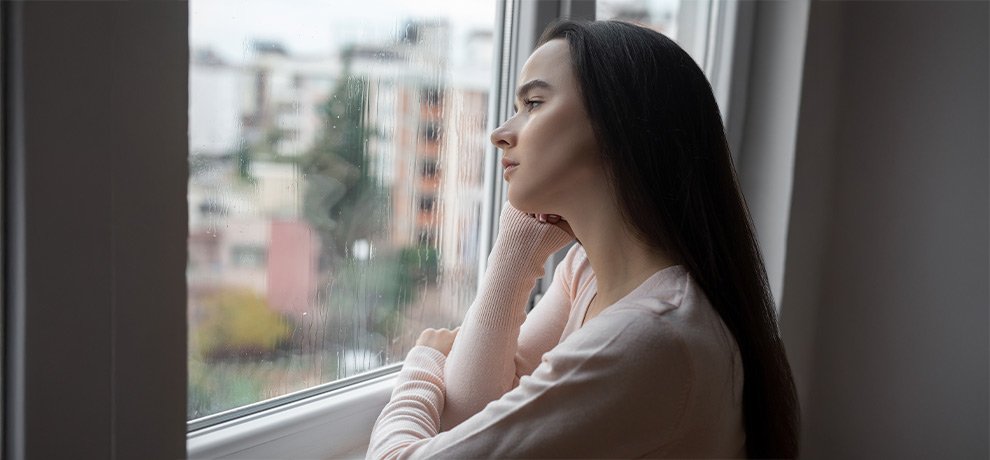
When the cold season sets in, the days grow shorter and light becomes scarce, many people feel a gradual drop in their energy and mood. For some individuals, this goes far beyond a passing case of the blues: it is seasonal depression. Still poorly understood, this disorder can have a real impact on daily life, social relationships and overall health.
Often underestimated, seasonal depression nonetheless deserves real attention. Understanding it better helps not only to recognise its symptoms, but also to put in place natural and suitable solutions, in line with medical advice. This article offers a complete overview to help you better grasp this disorder and regain emotional balance throughout the seasons.
What is seasonal depression?
Seasonal depression is a specific form of depression that occurs at particular times of the year, most often during autumn and winter. It is also known as winter depression or seasonal affective disorder, sometimes abbreviated as SAD. Unlike classic depression, this form is cyclical: symptoms appear in a given season and tend to disappear spontaneously when spring or summer returns.
From a medical standpoint, seasonal depression is considered a subtype of mood disorders. It belongs to the classification of mental disorders recognised by healthcare professionals. Although it shares many features with other depressive disorders, its close link to seasonal variations and light helps to better understand its mechanisms.
Seasonal depression or just the winter blues: what is the difference?
It is common to confuse seasonal depression with a simple case of winter blues. Yet these two states are quite different. The winter blues generally correspond to a temporary dip in mood, often linked to a lack of sunshine, the cold or the fatigue built up at the end of the year. It stays moderate, short-lived and does not prevent you from leading a normal life.
Seasonal depression, on the other hand, settles in more durably. The symptoms are more intense, persist for several weeks or even months, and cause genuine psychological suffering. Daily life can become difficult to manage, both personally and professionally. The difference therefore lies in the intensity of the symptoms, their duration and their functional impact.
What are the symptoms of seasonal depression?
The symptoms of seasonal depression can vary from one person to another. However, certain signs are frequently observed and help guide the diagnosis. A distinction is generally made between physical symptoms and psychological symptoms.
Physical symptoms
On a physical level, seasonal depression is often accompanied by persistent fatigue. This tiredness is not relieved by rest and can create a feeling of constant lack of energy. Sleep is also disrupted: some people sleep more than usual, with significant difficulty waking up, while others experience poor-quality sleep.
Weight gain may also be observed, often linked to an increased appetite, especially for sugary or carbohydrate-rich foods. This change in eating habits is common during the winter season. Other physical symptoms may appear, such as a feeling of bodily heaviness, reduced motivation or a general sense of slowing down.
Psychological symptoms
On a psychological level, seasonal depression manifests as a marked drop in mood. Spirits are fragile, with persistent sadness, sometimes for no apparent reason. Irritability is frequent, as is emotional hypersensitivity.
Those affected may feel a sense of emptiness, discouragement or deep distress. Withdrawing into oneself is common, with fewer social interactions and a loss of interest in activities usually enjoyed. Difficulty concentrating, lower self-esteem and a feeling of worthlessness may also be present.
What causes seasonal depression?
The causes of seasonal depression are multiple and result from the interaction between biological, environmental and psychological factors.
The role of light on the biological clock
Lack of light is considered one of the main triggering factors. The decrease in natural light and brightness in autumn and winter disrupts the internal biological clock, also called the circadian rhythm. This clock regulates many essential functions, in particular the sleep-wake cycle.
When light exposure decreases, the body receives contradictory signals that alter its natural rhythm. This desynchronisation can lead to a permanent feeling of being out of step, increased fatigue and mood disturbances. In some parts of the world where sunshine is scarce for long periods, the prevalence of seasonal depression is higher.
Studies carried out in Canada, notably by research centres associated with Université Laval and the Robert Giffard centre, have highlighted the direct impact of lack of light on mental health. The work of researchers such as Alexandre Sasseville, published in scientific journals like Med Sci, underlines the importance of light intensity in mood regulation.
Melatonin and serotonin: the hormonal imbalance
Light directly influences the production of certain hormones. During periods of low light, melatonin production increases. This hormone, involved in sleep, promotes drowsiness and can heighten the feeling of fatigue.
At the same time, the production of serotonin, a key neurotransmitter in mood regulation, tends to decrease. This hormonal imbalance contributes to the onset of depressive symptoms. The combination of excess melatonin and a serotonin deficit plays a central role in the development of seasonal affective disorder.
Who is affected by seasonal depression?
Seasonal depression can affect a wide range of people. However, certain profiles appear more vulnerable. Women are affected more frequently than men. Young adults also present an increased risk, as do people who have already experienced depressive episodes in the past.
Individuals living in regions where light is scarce during winter, such as certain areas of Canada or Northern Europe, are more exposed. Individual temperament, sensitivity to lack of light and certain genetic factors can also influence susceptibility to developing this disorder.
How to fight seasonal depression naturally?
Managing seasonal depression relies on a comprehensive approach, combining lifestyle, natural solutions and, if necessary, medical support.
Light therapy: the reference treatment
Light therapy is today considered the reference treatment for seasonal depression. It involves daily exposure, usually in the morning, to a lamp emitting artificial light that reproduces the intensity of daylight, without ultraviolet rays.
This exposure helps readjust the biological clock, improve the sleep-wake rhythm and support mood. Practised regularly, light therapy shows notable effectiveness in many patients, with few side effects when used correctly.
Aromatherapy to support mood and energy
Aromatherapy can be used as a complementary approach. Some Essential Oils are traditionally used to accompany periods of low mood, promote relaxation or support energy. Their use relies mainly on olfaction, which acts directly on the brain areas linked to emotions.
It is essential to remember that aromatherapy does not replace medical treatment. It must be used with caution, respecting dosages and contraindications, especially for people with specific health conditions.
Essential Oils to lift your spirits
Essences from Citrus fruits are often appreciated for their fresh, bright fragrance. They are used to bring a sense of emotional wellbeing and to accompany periods of seasonal low mood. Discover our aromaboost range for solutions specifically formulated to support energy and mood every day.
Essential Oils for restful sleep
Quality sleep is essential to limit mood disorders. Some Essential Oils with soothing properties can promote falling asleep, improve sleep duration and reduce night-time awakenings. The Essential Oils of True Lavender, Roman Chamomile and Mandarin are among the best known. Explore our sleep and relaxation solutions to guide you towards more peaceful nights.
Essential Oils to boost energy
Other Essential Oils such as Ravintsara Essential Oil are used for their toning and stimulating effect. Diffused or used in occasional inhalation, they can help fight the fatigue and feeling of sluggishness often associated with seasonal depression.
Physical activity: a natural antidepressant
Regular physical activity plays a fundamental role in preventing and supporting seasonal depression. Movement stimulates the production of endorphins, hormones associated with wellbeing. Practised outdoors when possible, physical activity also lets you benefit from natural light.
Even moderate activity, such as a daily walk, can have a positive impact on mood, sleep and stress management.
Nutrition and vitamin D
Nutrition directly influences mental health. In winter, vitamin D intake decreases due to low sun exposure. Yet this vitamin plays an important role in emotional balance.
A varied, balanced diet, combined if needed with vitamin D supplementation on medical advice, can help reduce the symptoms of fatigue, sadness or low mood often felt during the winter months. Foods rich in vitamin D, such as oily fish (salmon, mackerel, sardine), eggs or certain fortified products (milk, cereals), can help maintain a good emotional balance. Combined with a healthy lifestyle including regular physical activity and moderate exposure to natural light, this nutritional approach supports mental wellbeing and contributes to preventing seasonal depressive states.
Caring for your sleep and daily rhythm
Sleep is an essential pillar for regulating mood. Regular bedtimes and wake-up times, along with sufficient sleep duration, allow the body to better manage stress and emotional fluctuations. Limiting screens before bed, favouring relaxing activities such as reading or meditation, and ensuring a quiet, dark bedroom all promote restful sleep.
Likewise, maintaining a structured daily rhythm, by planning moments of physical activity and relaxation, helps stabilise energy and mood, thereby reducing the effects of seasonal depression.
When to consult a healthcare professional?
If symptoms persist, worsen or strongly impact daily life, it is essential to consult a doctor or mental health professional. A suitable assessment will help determine whether specific care, such as light therapy, psychological support or medical treatment, is necessary. Do not delay seeking help: intervening early significantly improves the outlook.
FAQ: seasonal depression
How can you recognise the signs of seasonal depression?
The signs include significant fatigue, a sad or irritable mood, a loss of interest in daily activities, sleep disorders, increased cravings for sugar or carbohydrates, and social isolation.
What solutions help with seasonal depression?
Several solutions exist: exposure to natural light or a light therapy lamp, regular physical activity, a balanced diet rich in vitamin D and omega-3, psychological support, and, in some cases, medical treatment prescribed by a healthcare professional.
At what time of year is seasonal depression strongest?
It most often occurs in autumn and winter, when the days grow shorter and sun exposure decreases, affecting vitamin D production and biological rhythms.
What are the main symptoms of depression?
They include persistent sadness, loss of interest in activities, fatigue, sleep disorders, changes in appetite, difficulty concentrating, irritability and anxiety. In more severe forms, feelings of guilt or hopelessness may appear.


