


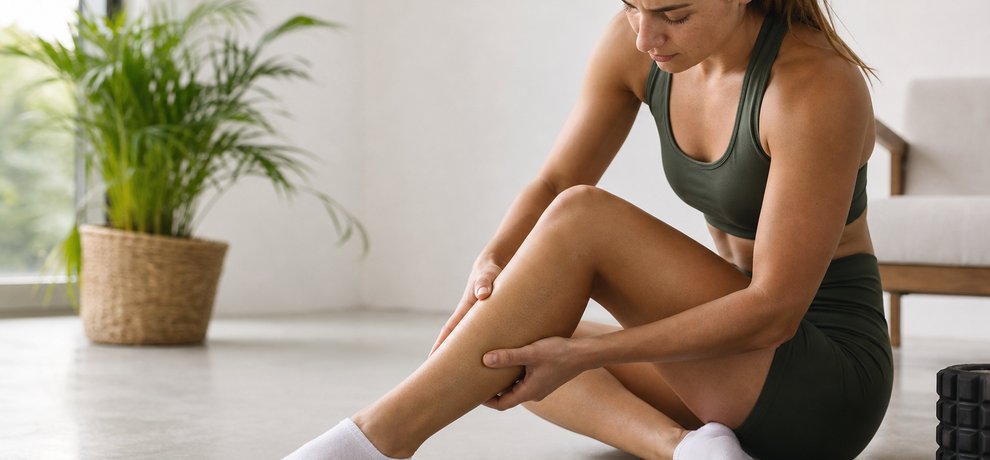
One slightly too ambitious session, and the next day every move reminds you of it. Muscle soreness hits the weekend runner as much as the seasoned athlete switching up their routine. The good news: this muscle pain clears on its own within a few days, and a handful of simple habits speed up recovery. Aromatherapy, with essential oils such as wintergreen, is one of the natural options you can easily add to the mix.
Where does muscle soreness come from?
Contrary to a stubborn belief, soreness is not caused by lactic acid. It comes from micro-tears in the muscle fibres, triggered by an unusual effort or one more intense than usual. The pain is not immediate: it sets in 12 to 48 hours after the session, which earns it the name DOMS (delayed onset muscle soreness). During this phase the muscle repairs and strengthens itself, which is why soreness is more common when you start again or try a new type of exercise. It usually fades within 3 to 5 days.
The right moves in the first 48 hours
The first hours after exercise really matter. A few habits help the muscle recover without straining it.
Keep moving gently rather than staying still
Lying on the sofa slows recovery down. Light activity, walking, an easy bike ride or swimming, gets the blood flowing again and brings oxygen to the damaged muscles. This is the principle of active recovery: 20 to 30 minutes at low intensity is enough. The goal is not to sweat, just to get the body moving again.
Heat or cold: which to choose?
Both have their place, at different moments. Cold, in the hours right after exercise, limits inflammation and swelling: an ice pack wrapped in a cloth, 15 minutes maximum. Heat is more useful once the pain has set in, the next day. A warm bath or a hot water bottle relaxes the muscle and boosts circulation. One thing to avoid: applying heat to an area that is still swollen right after the session.
Massage with essential oils
Massaging a sore area does two things at once: it gets the blood moving and it lets you apply targeted active ingredients. In aromatherapy, wintergreen is the go-to essential oil for muscle and joint comfort. Rich in methyl salicylate, it is always used diluted, never neat on the skin. Mix it into an arnica vegetable oil, a few drops per tablespoon. You will find our essential oils ready to be blended into your own synergy. For a ready-made solution, the Aromalgic range offers gels, rollers and massage oils designed for muscles and joints.
Please note: wintergreen essential oil is not recommended during pregnancy, while breastfeeding, for people on anticoagulants and for those allergic to salicylates.
Hydration, sleep and nutrition
Recovery also happens on your plate and in your bed. Water helps flush out the waste produced by exercise: drink regularly, before you feel thirsty. Protein (eggs, fish, pulses) supports fibre repair, while foods rich in antioxidants, berries and green vegetables, limit oxidative stress. Sleep remains your best ally: it is at night that the body rebuilds muscle. Aiming for 7 to 8 hours is far from trivial when you train day after day.
Heading off soreness before it starts
Prevention beats putting up with it. A 10-minute warm-up gets the muscles ready for effort. Progression does the rest: increasing the load or duration by 10% per week gives the body time to adapt. After the session, a few minutes of cool-down and good hydration ease the next day's soreness. Stretching, on the other hand, is debated: useful for flexibility, it does not really prevent soreness, and pushed too hard on an already worked muscle it can make the micro-tears worse.
When should you see a professional?
Ordinary soreness stays bearable and clears on its own. Some signals should still raise a flag: a sharp, localised pain during exercise points more to a strain or a tear. Likewise, if the discomfort lasts beyond 5 to 7 days, comes with a fever, significant swelling or dark urine, medical advice is needed. Better to check once too often than to let a real injury drag on.


