


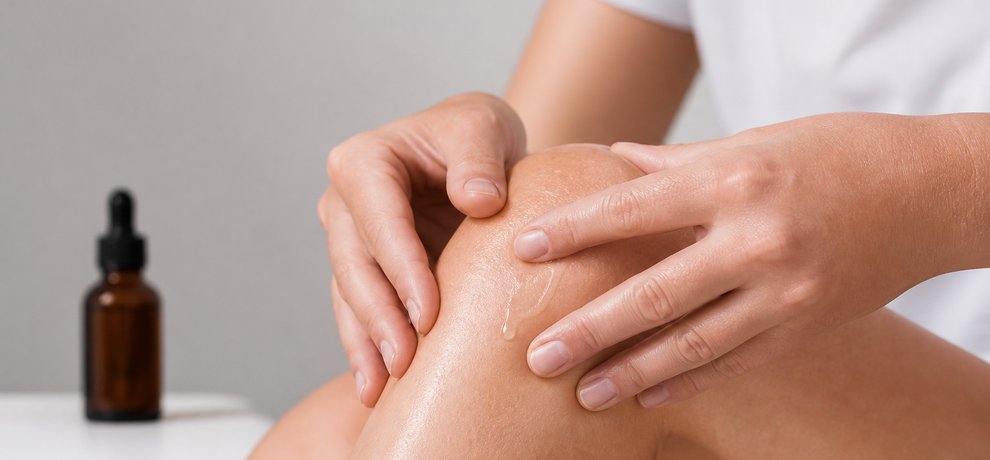
Joint pain affects a large share of the population, especially after 50, but not only. A knee that pulls in the morning, a stiff shoulder after a day at work, sore fingers when the cold sets in: the situations are many and rarely trivial. Before trying to ease these aches, it helps to understand where they come from. This article looks at the common causes of joint pain and at the simple habits, including aromatherapy, that help bring back daily comfort.
What is joint pain?
A joint connects two bones and allows movement. Knee, hip, shoulder, wrist, fingers: each one is protected by cartilage, lubricated by a fluid and held together by ligaments. When one of these elements wears down, becomes inflamed or takes on too much strain, pain appears. It can come with stiffness, swelling or a feeling of heat. We talk about acute pain when it comes on suddenly, for example after an awkward movement, and chronic pain when it settles in over several weeks.
The main causes of joint pain
Osteoarthritis and cartilage wear
Osteoarthritis remains the most common cause. Over the years, the cartilage that cushions impact thins out, and the bones rub against each other more. The knee and the hip, which carry the body's weight, are particularly exposed. The pain often shows up when you start moving, then eases, before coming back at the end of the day.
Inflammation and rheumatism
Some pain comes from inflammation of the joint itself. Prolonged morning stiffness, swelling and local heat are signs of this. This type of discomfort calls for the advice of a healthcare professional to reach a precise diagnosis, since inflammatory causes are managed differently from mechanical wear.
Overuse and microtrauma
Intense sport, repetitive movements at work or a poor posture push the joints beyond their capacity. Tendinitis, mild sprains and joint soreness follow. These effort-related pains affect athletes as much as people whose job involves repetitive movements.
Everyday habits to relieve your joints
Keep moving without forcing
Contrary to a widespread idea, staying still often makes stiffness worse. Gentle, regular activity, walking, swimming or cycling, keeps you mobile and strengthens the muscles around the joint. Aim for 30 minutes a day, split up if needed. When the pain is sharp, the effort should stay measured.
Watch your diet and your weight
Every extra kilo adds pressure on the knees and hips. A varied diet, rich in vegetables, oily fish and fruit, supports joint comfort. On the other hand, too many processed products and fast sugars feed sensitive ground. Hydration also plays a part, since cartilage is largely made of water.
Essential oils for joint comfort
Aromatherapy holds a key place in caring for sensitive joints. Several essential oils are known to support muscle and joint comfort, used in local massage.
The essential oils to choose first
Wintergreen essential oil, made of more than 95% methyl salicylate, is the reference for massages after exercise. Lemon eucalyptus essential oil brings a soothing feel, peppermint essential oil an immediate cooling effect, while katrafay essential oil and copaiba oil also support joint comfort. These actives come ready to use in the Aromalgic range, designed for muscles and joints.
How to use them in massage
Essential oils are never applied pure on the skin. Dilute them up to 20% in a vegetable massage oil such as Arnica, roughly 20 drops of essential oil for 80 drops of vegetable oil. Massage the area two to three times a day, in circular movements. A test in the crook of the elbow 48 hours before first use helps rule out any reaction. Pregnant women, children and people on medication should ask a professional before any use. To go further, the selection of essential oils for joints brings together the solutions suited to each need.
When should you see a healthcare professional?
Some signals should not wait. Pain that lasts beyond a few weeks, significant swelling, redness with fever or a loss of mobility all warrant a consultation. The doctor can refer you to a physiotherapist, a rheumatologist or further tests. Aromatherapy and a healthy lifestyle support joint comfort, without replacing medical follow-up when the situation calls for it.
Frequently asked questions about joint pain
Which foods should you avoid with joint pain?
Ultra-processed products, cured meats, fast sugars and too much alcohol are best limited, as they feed sensitive ground. Favour oily fish, fruit and colourful vegetables, rich in antioxidants.
Should you apply cold or heat to a painful joint?
Cold calms a swollen, hot joint, right after an impact or a flare-up. Heat relaxes the muscles and suits settled stiffness better, in the morning for example. Adapt to the feeling.
How long before you feel an effect from an aromatic massage?
The cooling or warming sensation is often immediate. For underlying comfort, count rather one to two weeks of regular applications, alongside gentle physical activity.


