



A detox cure is not meant to trigger weight loss on its own. It supports the organs that filter and eliminate, which prepares the ground when you are trying to lose weight. The goal comes down to three points: boosting drainage, limiting water retention and easing the load on the liver, before or after adjusting your diet. In aromatherapy, essential oils and draining plants have a real place in this support. Here is how to connect detox and weight loss without falling for quick-fix promises.
What happens in the body during a detox
The body constantly eliminates waste through five emunctories: the liver, the kidneys, the intestines, the lungs and the skin. These organs handle two kinds of residue. Endogenous toxins, produced by the metabolism itself, such as free radicals or the ammonia released when proteins are digested. Exogenous toxicants, which come from outside: pollution, tobacco, alcohol, food additives, pesticide residues.
The liver plays the central role. It turns fat-soluble molecules into water-soluble compounds that are easier to remove through urine and stools. When the incoming waste exceeds its processing capacity, elimination slows down. Several signals can then appear: tiredness on waking, a dull complexion, a coated tongue, heavy digestion.
Each emunctory has its speciality. The kidneys filter the blood and eliminate through urine. The intestines eliminate through stools and host a flora that takes part in the sorting. The skin eliminates through perspiration, the lungs through breathing. When one of them tires, the others compensate for a while, then reach saturation in turn. Several signs then point to an overloaded body: recurring headaches, small breakouts, bad breath, occasional nausea, a drop in energy in the middle of the day.
The link with weight rests on a precise mechanism. Some toxicants are stored in fat cells. During weight loss, these reserves shrink and release their content into the bloodstream. Supporting the emunctories at that moment helps the body manage this release instead of enduring it. This is also why a detox carried out after weight loss makes sense, just as much as before.
Does detox really help with weight loss?
Let us be clear: a detox cure does not burn fat. The figure shown on the scales after three days of juice mostly reflects water and glycogen, not fat tissue. Dietitians agree on this point, and it is worth keeping in mind before you start.
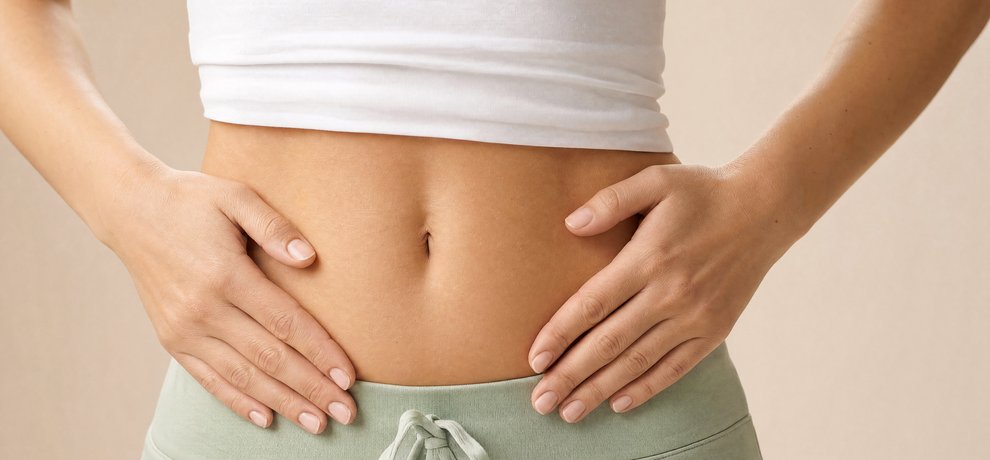
What detox brings is a boost to drainage. By reviving kidney elimination and limiting water retention, it helps reduce bloating, ease the feeling of heaviness and calm a swollen stomach. The stomach looks flatter and energy returns. This cleaner ground then makes a dietary rebalancing more comfortable to maintain over time.
One distinction helps clarify things. Detoxification is a permanent process that the liver and kidneys carry out without us thinking about it. A detox diet, on the other hand, is a short and deliberate period during which we lighten the diet to relieve these organs. The plant-based foods promoted during a cure provide antioxidants, vitamin C, vitamin E and carotenoids, which neutralise the free radicals produced by the metabolism. This combined support, drainage and antioxidants, explains the feeling of lightness felt after a few days.
Detox therefore comes before or after a weight-loss approach, never in its place. Before, it prepares the body. After, it helps evacuate the residue released by the breakdown of fat. On its own, without a real change to the plate and to physical activity, it produces no lasting result. This is where detox and slimming ranges make sense: as support for a healthy lifestyle, not as a replacement.
Plants and foods to support a slimming detox
The plate does most of the work. Three levers matter: what you add, what you remove and the plants that revive elimination.
Foods to favour
Rely on green vegetables that concentrate chlorophyll: artichoke, dandelion, watercress, kale, asparagus. Their fibre supports transit, and therefore elimination through the intestines. Add citrus fruit (lemon, grapefruit), beetroot, black radish, whole grains such as quinoa, buckwheat or brown rice, and plant proteins. For fats, keep cold-pressed oils (olive, flax, rapeseed), sources of omega 3. Start the day with a large glass of warm water with lemon: lemon gently stimulates bile secretion and wakes up the liver. Aim for 1.5 to 2 litres of low-mineral water per day, complemented with draining herbal teas.
Foods to limit
Set aside refined sugars, ultra-processed dishes, fried food and saturated fats, cold cuts and red meat in excess, dairy in large amounts, alcohol, coffee beyond two cups and sodas. These foods add work for the liver at the very moment you are trying to ease it.
Draining plants
A few plants have proven their worth in supporting the liver and kidneys. Milk thistle and desmodium support the liver. Black radish stimulates bile secretion. For kidney and lymphatic drainage, there are dandelion, birch, cherry stalk, orthosiphon and mouse-ear hawkweed. Green tea provides antioxidants, and fennel supports digestion.
In practice, an infusion is prepared with one teaspoon of dried plant per cup of simmering water, left to steep for 10 minutes, at a rate of two to three cups per day. Fresh birch sap, harvested in early spring, is drunk pure in the morning on an empty stomach over a three-week cure: it is one of the most appreciated seasonal draining options. Vary the plants from one cure to the next so the body does not get used to a single one.
Essential oils to support drainage and detox
This is aromatherapy's own contribution, rarely detailed elsewhere. Aromatic molecules act on the liver, the kidneys and the lymphatic system, through routes of use that capsules and herbal teas do not cover.
Draining essential oils
Within an approach that supports digestive comfort and elimination functions, certain essential oils and essences are traditionally recognised for their targeted action on the main emunctories, notably the liver and the lymphatic system.
Lemon essence is frequently used to support liver function and encourage harmonious digestion. Its aromatic profile also makes it an interesting ally in wellness programmes designed to accompany periods of dietary excess.
Rosemary essential oil (verbenone chemotype) holds a reference place in aromatherapy when it comes to hepatobiliary support. It is traditionally associated with the processes of regulating and regenerating the liver, which makes it an emblematic essential oil in detox synergies.
For circulatory comfort and the feeling of light legs, particularly in cases of water retention, Atlas cedar essential oil and juniper essential oil are commonly used. They are often included in protocols meant to support lymphatic drainage and the elimination of excess fluid.
Grapefruit essence is appreciated in overall wellness approaches for its toning action and its support for eating behaviour, notably during periods of snacking or passing imbalances.
Finally, peppermint essential oil is widely recognised for its action on digestive comfort, notably in cases of slow digestion or a feeling of heaviness after meals.
Slimming drainage massage
The skin route directly targets the areas concerned. Dilute 1 drop of Atlas cedar essential oil and 1 drop of juniper essential oil in one teaspoon of vegetable oil (hazelnut or jojoba). Massage the stomach, hips and thighs moving upwards from the bottom, once or twice a day, over three-week cures. The massage activates lymphatic circulation on top of the action of the essential oils.
Olfaction against cravings
When a sugar craving strikes, inhale grapefruit essence straight from the bottle for a few seconds. This gesture helps get past the peak of the craving. A simple alternative to keep in your bag.
When and how to run your cure
The most suitable moments are the changes of season, in spring and autumn, and the days after a period of excess such as holidays or celebrations. A cure also fits just before or just after a weight-loss programme.
Elimination does not depend on the plate alone. Gentle physical activity makes you sweat and activates circulation: 30 minutes of brisk walking, yoga or swimming is enough. Lymphatic massage, by hand or with an essential-oil synergy, revives drainage in the areas that store water. A sauna or hammam session opens the pores and calls on the skin, that emunctory we often forget. Sleep matters too: it is at night that the liver works the most. At the end of the cure, gradually reintroduce the foods you set aside. A sluggish transit will also benefit from support for digestion and transit, and heavy legs linked to water retention from support for circulatory comfort.
Precautions and contraindications
A detox cure is not suitable for everyone. It is not advised during pregnancy and breastfeeding, in cases of kidney or liver insufficiency, or with severe digestive disorders. In cases of diabetes, cardiovascular conditions or ongoing treatment, ask your doctor for advice before starting. Avoid mono-diets and prolonged fasting, which draw on muscle mass and encourage the yo-yo effect.
Essential oils have their own rules. Always dilute them in a vegetable oil before application, never pure on the skin. Citrus essences such as Lemon and Grapefruit are photosensitising: no sun exposure in the hours following a skin application. Rosemary verbenone essential oil and peppermint essential oil are contraindicated for pregnant or breastfeeding women, young children under 6 and people with epilepsy. If in doubt, a pharmacist or an aromatherapist will guide you. This advice does not replace medical advice.
Frequently asked questions about detox and weight loss
Does detox make you lose weight?
Not directly. A detox cure supports drainage and reduces water retention, which can reduce bloating and lighten the silhouette in the short term. The loss of fat mass comes through a rebalancing of diet and physical activity.
How long does a detox cure last?
From 3 to 7 days for a one-off boost, 10 to 14 days to support the liver and kidneys in depth.
Which drink helps drainage?
Water with lemon in the morning, and herbal teas of dandelion, birch or cherry stalk. Hydration remains the first draining reflex.
When should you do a detox cure during the year?
At the changes of season, in spring and autumn, and after periods of excess such as the end-of-year celebrations. These are the moments when the body benefits most from support for its emunctories.
Can you do a detox with essential oils?
Yes, and it is even a strength of aromatherapy. Rosemary verbenone, Lemon or Atlas cedar essential oils support the liver and lymphatic drainage. They are used in massage diluted in a vegetable oil, orally (for some) or through olfaction.
How can you avoid regaining weight after a cure?
By not treating the cure as an end in itself. It prepares the ground; maintaining the results comes through a balanced diet on a daily basis, good hydration and regular physical activity.


