



A simple mosquito bite sometimes causes much more than a small itchy bump. In some people, it triggers a real allergic reaction: significant swelling, intense itching, a warm red patch. Understanding mosquito bite allergy helps you react better and ease the skin with natural solutions. Here is how to spot these reactions and calm them gently with aromatherapy.
Why do some people develop a mosquito bite allergy?
When a mosquito bites, it injects a small amount of saliva under the skin to thin the blood. This saliva contains proteins that the immune system sometimes treats as intruders. To defend itself, the body releases histamine, the substance behind the redness, swelling and itching sensation.
For most people, this response stays mild. In sensitised individuals, however, it overreacts and triggers a more pronounced response. Children, whose immune system is still learning, are particularly affected, as are people with little exposure to certain mosquito species. The more bites you get over the seasons, the more the body tends to learn how to moderate its response.
How to recognise a mosquito bite allergy
Normal reaction or allergic reaction?
A classic bite forms a small red bump a few millimetres across, which itches for a day or two then disappears. We talk about an allergic reaction when the signs are clearly more important: the area swells over several centimetres, the skin becomes warm and tight, and the itching becomes hard to bear. Blisters or an inflammatory aspect may also appear around the bite.
Skeeter syndrome
Skeeter syndrome refers to a major local allergic reaction to mosquito saliva. It shows as an extended red patch, marked swelling, strong local heat and sometimes a slight fever, especially in children. The reaction starts within a few hours, peaks between 24 and 48 hours, then progressively settles over a few days. Impressive as it looks, this syndrome stays benign in most cases, but it deserves close attention in young children.
When should you worry about a mosquito bite?
The vast majority of reactions, even spectacular ones, stay local and harmless. Some signs should however prompt a quick visit to a health professional: breathing discomfort, swelling of the face or lips, hives spreading over the whole body, or a sense of feeling unwell. These signs may indicate a generalised allergic reaction that requires immediate medical care. When in doubt, it is always better to ask a doctor or a pharmacist for advice.
How to ease a mosquito bite allergy naturally
The first reflex is to apply cold to the bite: an ice cube wrapped in a cloth calms the inflammation and reduces the urge to scratch. Avoid scratching, as it keeps the irritation going and favours secondary infections.
Soothing Essential Oils
Aromatherapy offers valuable allies to bring back skin comfort. Spike Lavender Essential Oil is traditionally favoured after a bite: it helps soothe the skin and supports its comfort. Peppermint, on its side, provides an immediate cooling sensation that eases the itch. These Essential Oils must always be diluted in a soothing organic plant oil before use, for example Calendula, known for sensitive and reactive skin. For use on children or pregnant women, please ask a professional before any application.
The Aromapic after-bite reflex
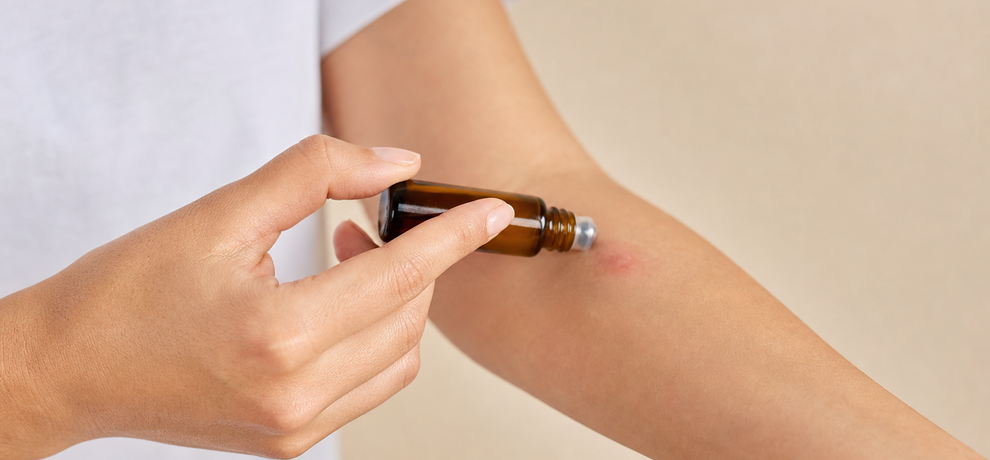
For those who prefer a ready-to-use solution, the Aromapic range offers after-bite care with Essential Oils, as a roller and a gel. Easy to slip into a bag, they apply directly on the bump to quickly ease the feeling of discomfort, including in the range dedicated to little ones.
How to prevent bites and limit reactions
The best way to avoid an allergic reaction is still to avoid being bitten. A few simple gestures noticeably reduce the risk:
- Wear covering clothes in light colours, with a tight weave, especially in the evening.
- Install mosquito nets on windows and over beds, particularly for children.
- Remove stagnant water around the house, where mosquitoes breed.
- Use a skin repellent suited to your age on exposed skin areas.
On the natural side, the Pranarôm anti-mosquito and after-bite range combines repellent sprays based on Citriodiol® and Essential Oils with soothing care, for natural family protection every day. Anticipating the mosquito season already means limiting the risk of reaction.
Use biocidal products with care. Before any use, read the label and the product information.
Frequently asked questions
Does the tiger mosquito cause more allergies?
The tiger mosquito does not inject a more allergenic saliva than other species, but its bites are often felt as more painful and more reactive. Since many people are not yet used to this species, reactions can appear more marked.
How long does an allergic reaction to a bite last?
A local allergic reaction generally peaks between 24 and 48 hours, then eases over three to ten days. Cold and soothing care help shorten this period of discomfort.
Can a bite allergy change over time?
Yes, sensitivity to bites varies through life. It is often more pronounced in children and tends to ease with repeated exposure. If reactions get stronger over time, a medical advice is recommended.


