



Every year, as spring arrives, millions of people experience the discomfort of pollen allergies. A runny nose, constant sneezing, itchy eyes and nasal congestion are just some of the hay fever symptoms that can disrupt daily life. While allergy medications such as antihistamines remain a common treatment, many people are now turning to natural remedies to ease allergy symptoms and find lasting relief. In this article, we share our best advice and practical solutions to help you get through the pollen season with greater comfort.
What are pollen allergies?
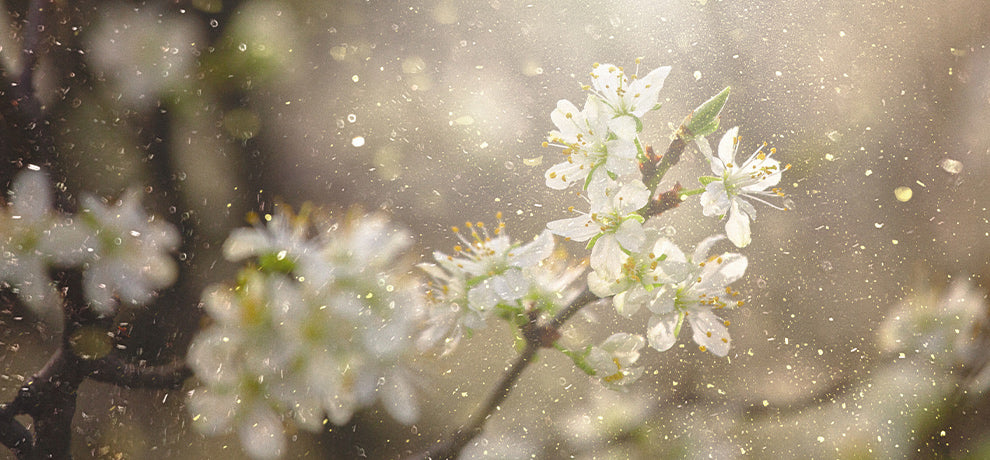
Pollen allergies, commonly known as hay fever or allergic rhinitis, occur when the immune system overreacts to pollen particles in the air. During pollination, plants release these microscopic allergens that, in sensitive individuals, trigger an inflammatory response. The immune system identifies pollen as a threat and produces antibodies, leading to the characteristic symptoms of seasonal allergies.
Pollen counts vary throughout the year depending on the season, weather conditions and geographical location. Grass, birch and cypress pollen are among the most common allergens. With climate change extending pollination periods and increasing pollen concentration in the air, a growing number of people are affected each year. Monitoring local pollen counts is an essential first step to managing your exposure and reducing allergic reactions.
Common symptoms of pollen allergies
Seasonal allergy symptoms primarily affect the nasal passages and the eyes. Allergic rhinitis causes a runny nose, repeated sneezing and a stuffy nose that can be difficult to manage. Allergic conjunctivitis leads to watery eyes, itchy eyes and redness. Some people also experience a sore throat, coughing or general discomfort during peak allergy season.
The severity of these symptoms varies from person to person, depending on the type of pollen involved and the level of exposure. Some individuals only notice mild nasal symptoms, while others find their daily routine significantly disrupted for weeks. Identifying your specific triggers and understanding your symptoms is key to finding the most effective approach to allergy relief.
How to prevent and reduce allergies
Keeping your environment clean
One of the most effective ways to reduce allergy symptoms is to limit your exposure to allergens at home. Open your windows early in the morning or in the evening when pollen counts are lower. Vacuum regularly and wipe down surfaces to remove pollen particles that settle indoors. Controlling indoor allergens also means washing bedding and clothes frequently, especially after spending time outside during the pollen season. These simple steps help reduce the presence of common allergens and dust mites in your living space.
Adopting a suitable daily routine
A few practical habits can make a real difference when dealing with seasonal allergies. Check local pollen counts daily to plan your outdoor activities when levels are lower. Shower and change your clothes as soon as you get home to avoid bringing pollen into your house. Keep windows closed during peak hours and consider using air conditioners to filter the air. By reducing your overall exposure to allergens, you can significantly ease symptoms and improve your indoor air quality throughout the spring.
Natural remedies for pollen allergies
The benefits of nettle and peppermint tea
Among natural remedies for pollen allergies, herbal teas hold a special place. Nettle has long been valued for its properties that help soothe the nasal symptoms associated with allergic rhinitis. Prepare an infusion with a teaspoon of dried nettle leaves in a cup of hot water, and drink it two to three times a day. Peppermint tea supports respiratory comfort and helps ease nasal congestion. These plants are easy to incorporate into your daily routine and provide a gentle, natural alternative to conventional allergy medications.
Using Essential Oils
Essential Oils are a valuable ally for people who suffer from seasonal allergies. Tarragon Essential Oil is particularly appreciated for its properties that support respiratory comfort during allergic episodes. Whether used in a diffuser, inhaled or diluted in a carrier oil for topical application, Essential Oils offer several ways to provide relief adapted to each situation. Explore our guide on Essential Oils for pollen allergies for a comprehensive overview. We also recommend reading our article on Essential Oils for allergic rhinitis, which presents the scientific evidence behind their effectiveness.
The advantages of citrus and onion juice
Vitamin C, found abundantly in citrus fruits, plays a supportive role for the immune system and has a natural anti-inflammatory effect. A glass of freshly squeezed lemon juice each morning, optionally combined with honey, helps strengthen your defences during the pollen season. Onion, rich in quercetin, is another traditional home remedy that helps ease the discomfort of allergic reactions. Added raw to salads or consumed as a juice, it contributes to reducing the intensity of allergy symptoms naturally.
The impact of diet and recommended snacks
A balanced diet rich in specific nutrients can play a supportive role against seasonal allergies. Focus on foods high in omega-3 fatty acids (oily fish, walnuts, flaxseeds), vitamin C (kiwi, bell pepper, blackcurrant) and quercetin (capers, apples, berries). Avoid foods that promote histamine production, such as fermented products and processed meats. Snacks made from dried fruits and seeds are excellent options to support your immune system throughout the allergy season and help your body cope with increased pollen exposure.
How to reduce symptoms on a daily basis
Nasal irrigation with saline solutions
Nasal irrigation is a simple and effective way to ease allergy symptoms. A saline solution, available at the pharmacy or homemade with a teaspoon of salt in a glass of warm bottled water, helps rinse the nasal cavities and flush out pollen particles. You can use a neti pot or a saline nasal spray to perform the rinse morning and evening, and after prolonged outdoor exposure. Regular nasal irrigation clears the nasal passages, reduces congestion and helps prevent mucus build-up. Ask a medical professional for advice on the best nasal rinse device for your needs.
The effectiveness of cold compresses for the eyes
When allergic conjunctivitis causes watery eyes, redness and swelling, cold compresses offer quick relief. Place a clean cloth soaked in cold water over your closed eyes for about ten minutes. This helps reduce inflammation and soothe the itching associated with pollen allergies. You can repeat this several times a day as needed. For a longer-lasting effect, keep your compresses in the refrigerator before use.
Staying hydrated and regular nasal cleansing
Staying hydrated is essential when dealing with allergic rhinitis. Drink at least 1.5 litres of water per day to thin nasal secretions and help your body eliminate allergens more efficiently. A seawater-based nasal spray also helps maintain moisture in the nasal passages and prevent dryness. These natural solutions, available without a prescription, are a valuable complement to your overall allergy management and help maintain clear nasal cavities throughout the season.
Additional steps to minimise pollen exposure
Wearing sunglasses outdoors
Wearing sunglasses when you go outside is a simple but effective way to protect your eyes from pollen. They form a physical barrier that limits contact between airborne pollen and your eyes, reducing the risk of allergic conjunctivitis. Choose wraparound models that cover the sides of your face for better protection. This tip is especially useful on windy days when pollen counts are high and allergens are carried more easily through the air.
Using an air purifier at home
A high efficiency particulate air (HEPA) filter purifier helps reduce the presence of pollen and other indoor allergens in your home. Place it in the rooms where you spend the most time, particularly the bedroom, to promote better sleep quality despite the allergy season. Air filters combined with regular cleaning and good ventilation make a significant difference for people suffering from seasonal allergic rhinitis. Maintaining good indoor air quality is one of the most effective long-term strategies to control indoor allergens.
Drying laundry indoors
During the pollen season, avoid drying your laundry outside. Clothing and bedding fibres easily capture airborne pollen particles, which you then bring back into your home. Opt for indoor drying or use a tumble dryer instead. This often overlooked step can significantly reduce your daily exposure to allergens and help limit nighttime allergy symptoms such as sneezing and congestion.
When to see a doctor
Identifying signs of severe allergic reactions
If natural remedies and prevention strategies are not enough to ease your symptoms, it is important to consult a medical professional. Certain signs should prompt immediate attention: difficulty breathing, wheezing, facial or throat swelling, or asthma attacks. These may indicate a severe allergic reaction requiring prompt medical treatment. Do not wait for the situation to worsen before seeking professional advice, as early intervention can prevent complications.
The importance of regular medical follow-up
Regular consultations with your doctor or an allergist allow you to adjust your treatment and consider options such as allergy shots, also known as immunotherapy. This approach, which involves gradually exposing your body to the allergen, is the only method that addresses the root cause of the allergy rather than just managing symptoms. Your doctor may also prescribe medications or supplements to complement natural remedies for a comprehensive approach to allergy management.
Pollen allergies affect more people every year as pollen seasons grow longer and more intense. While they cannot be completely eliminated, it is possible to significantly reduce their impact through natural remedies, practical prevention habits and regular medical follow-up. By combining these solutions with our allergy products and staying informed about local pollen counts, you can face spring with greater confidence. Be sure to explore our selection of Essential Oils for spring to complete your wellness routine.


