


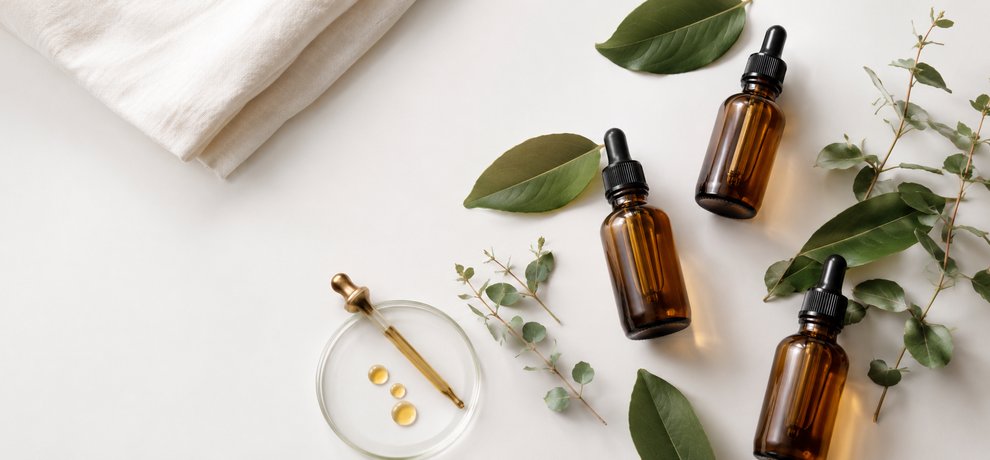
Every year, seasonal flu affects millions of people. This infectious disease, caused by a highly contagious virus, often strikes suddenly and can quickly put the body to the test. Fever, intense fatigue, body aches, headaches, cough or sore throat are among the most common symptoms. Faced with this ordeal, many people look for natural solutions against the flu to support the body, strengthen defences and relieve symptoms, alongside medical care when needed.
Acting at the first signs is essential. There are now well-known natural solutions, particularly from aromatherapy, to support the body, promote respiratory comfort and help fight the discomforts caused by the flu. Explore all our natural solutions for the respiratory tract to discover our suitable products.
Flu-like illness or real flu: recognising the signs
Before considering a natural approach to the flu, it is important to distinguish a simple cold from a true flu episode. The two illnesses are often confused, but their symptoms and intensity differ significantly.
A cold usually develops gradually. The nose runs, the throat feels slightly irritated, fatigue remains moderate and fever is often absent or mild. Conversely, the flu is characterised by a sudden onset of symptoms. Fever can be high, accompanied by chills, marked body aches, muscle and joint pain, and deep fatigue that sometimes confines you to bed.
Flu symptoms also include intense headaches, a heavy head sensation, dry or productive cough, sore throat and sometimes digestive issues. In both children and adults, these symptoms can last several days and require rest.
Recognising these signs quickly allows you to act within what is known as the window of opportunity, meaning the first hours or days when natural solutions can effectively support the body. In all cases, if fever persists, breathing becomes difficult or in vulnerable individuals, medical consultation remains essential.
Ravintsara: the number one natural solution to help fight the flu
Among the Essential Oils most widely used against the flu, Ravintsara holds a special place. Originating from Madagascar, this Essential Oil is recognised in aromatherapy for its supportive action against winter infections.
Why is it so effective?
The effectiveness of Ravintsara largely relies on its richness in 1,8-cineole. This compound is particularly studied for its role in respiratory comfort and immune system support. During flu season, this Essential Oil is traditionally used to support the body against viruses and help fight the microbes responsible for seasonal infections. Discover our Ravintsara Bio Essential Oil for a quality chemotyped product.
Ravintsara is also valued for its tonic action, useful in cases of intense fatigue linked to illness. It contributes to supporting the body's natural defences and accompanying recovery.
How to use it?
Ravintsara Essential Oil can be used in several ways, always respecting usage precautions.
For topical application, it is most commonly used as a friction, diluted in a carrier oil. Applied to the chest, upper back or soles of the feet, once or twice a day, this use contributes to respiratory comfort and supports the body during winter episodes.
Orally, Ravintsara Essential Oil can be used for short periods, under informed guidance. One drop placed on a teaspoon of honey or carrier oil is sometimes recommended to support natural defences.
Olfaction is a gentle and simple alternative. Breathing the Essential Oil directly from a tissue or through an inhaler allows you to benefit from its characteristic aroma and support respiratory well-being, particularly when the nose is congested or fatigue sets in.
Finally, atmospheric diffusion of Ravintsara helps purify the surrounding air, especially during periods of viral circulation. Diffused for a few minutes several times a day, alone or combined with other suitable Essential Oils, it helps create a healthier environment for the whole family. Contraindications: pregnant women, breastfeeding women, children under 6 years.
Other essential Essential Oils for relief
Alongside Ravintsara, other Essential Oils are traditionally used to relieve flu symptoms and improve daily comfort.
Eucalyptus Radiata: to clear the airways
Eucalyptus Radiata Essential Oil is recognised for its action on the respiratory tract. Also rich in 1,8-cineole, it is often used to accompany episodes of cough, nasal congestion and sore throat.
Through diffusion or diluted application on the chest, it helps clear the nose and improve breathing. It is appreciated in cases of cold, mild bronchitis or seasonal respiratory infections.
Tea Tree: the immune stimulant
Tea Tree is an Essential Oil widely used to support immunity. It is recognised for its purifying properties and its supportive action against infections.
During seasonal flu, Tea Tree is often used to help the body fight viruses and strengthen your immune defences naturally. It can be used through diffusion or topically, always diluted in a neutral carrier oil.
Peppermint: to relieve headaches
Peppermint is known for its cooling effect and its action on headaches. During a flu episode, head pain can be particularly uncomfortable.
One diluted drop applied to the temples or the back of the neck can bring a sense of relief. This Essential Oil also acts on mental fatigue, but its use requires particular attention to dosage and contraindications.
Ready-to-use solutions to support flu recovery
For those who prefer not to prepare their own blends, ready-to-use solutions are available, formulated by laboratories specialised in aromatherapy.
Nose-Throat capsules or OLEOBIOTIC Respiratory health: internal support
The capsules from the Aromaforce range are designed to support the body from within during winter infections. They combine several Essential Oils selected for their complementarity.
These solutions are often used as a complementary treatment alongside good lifestyle habits. They contribute to supporting the immune system and relieving symptoms, particularly in the throat and respiratory tract.
The sanitising spray to help limit contamination
The sanitising spray is particularly useful for prevention, especially in shared spaces. It helps purify the surrounding air and limit the spread of microbes within the household.
Used regularly, it is part of a comprehensive prevention approach, particularly during flu epidemics.
Convalescence: how to bounce back after the flu?
After the acute phase, convalescence is a key stage. Even when fever subsides, fatigue can persist for several days or even weeks.
Rest remains fundamental. Sleep allows the body to mobilise its resources for healing. Diffusing gentle Essential Oils, such as Ravintsara or Eucalyptus Radiata, can accompany this phase and promote a soothing environment.
Nutritionally, sufficient intake of vitamin C, zinc and royal jelly can support immunity. Honey, consumed pure or in a warm drink, helps soothe the throat and provides energy.
Vitamin D also plays an important role in supporting the immune system, particularly in winter when sun exposure is reduced.
FAQ: Frequently asked questions about the flu
How long does the flu last?
The flu lasts on average between five and seven days for the acute phase. Fatigue may persist longer, depending on the case and the person's general condition.
Can you take a shower when you have the flu?
Yes, a lukewarm shower is possible, provided you avoid sudden temperature changes and dry off thoroughly afterwards. It can even help relax the muscles and relieve certain aches.
What should you eat when you have the flu?
It is advisable to favour simple and comforting foods. Broths, soups, honey, garlic and foods rich in vitamin C are often recommended. Drinking enough fluids also helps the body eliminate toxins.
When facing the flu, adopting a holistic approach remains essential. Taking time to listen to your body, supporting your system from the first signs and relying on suitable natural solutions allows you to face this period with greater serenity. Essential Oils and other natural solutions are primarily part of a prevention and support approach, alongside good lifestyle habits, rest and a balanced diet.
Every situation being unique, it is important to remain attentive to symptom progression and not to hesitate to seek advice from a healthcare professional. In case of doubt, persistent symptoms or in at-risk individuals, a medical consultation, including teleconsultation, provides personalised and reassuring guidance. Acting with discernment, combining prevention and self-awareness, remains the best way to help the body overcome a flu episode and gradually restore its balance.


