



Herpes is one of those common conditions that many people live with, often discreetly and intermittently. Whether it appears as a simple sore on the lips or a more noticeable discomfort, it results from a familiar virus that the body learns to manage over time. Outbreaks occur depending on lifestyle, stress levels, sleep quality or seasonal changes, and there are now many solutions to soothe these episodes and better understand their causes.
This article guides you step by step through recognising the symptoms, understanding the origin of the fatigue sometimes associated with herpes and discovering the habits and natural approaches that help limit recurrences.
What is herpes?
Two main types exist, each with a preference for certain areas of the body. This condition is not limited to a single sore or a few scattered blisters: it forms part of a subtle and ongoing dialogue between your body and the virus responsible.
The different types of herpes
The best-known types are HSV 1 and HSV 2. The first is generally linked to oral herpes, often associated with a cold sore on the mouth or lips, although it can sometimes affect the genital area. The second mainly causes genital herpes, a form localised around the intimate mucosa. It can happen, however, that these two types cross over and create atypical cases, particularly during close physical contact.
Herpes outbreaks caused by the herpes virus occur according to your overall condition, your stress level or the balance of your lifestyle. A primary infection, often intense and marked by fever, blisters and pronounced discomfort, then gives way to milder but sometimes frequent recurrences. In women, as in anyone exposed, these episodes vary in intensity and duration.
What are the different causes of herpes?
The causes behind the appearance of herpes are numerous. First, it is important to remember that this is a viral disease transmitted through direct contact with lesions, skin or mucous membranes of an infected person. This infection belongs to the STIs that circulate silently, regardless of age or lifestyle. Once the virus has settled, it never fully disappears: it lies dormant in nerve ganglia and waits for a favourable moment to resurface.
Herpes outbreaks are often observed when the body's natural defences go through a period of weakness. Stress, lack of sleep, fever, intense sun exposure or insufficient hygiene practices can create a favourable environment. Cold weather, prolonged fatigue or recurring headaches sometimes add to this list. Each person reacts according to their own sensitivity, and the affected area, whether it is the lips, mouth or genital region, influences the intensity of the outbreak.
Foods that may encourage herpes outbreaks
Certain foods, although perfectly common in daily diets, can encourage herpes outbreaks in sensitive individuals. These are not dangerous foods in themselves, but rather nutrients that influence the balance between amino acids, particularly lysine and arginine. The herpes virus readily uses arginine to reactivate, which explains why an excess of this amino acid can sometimes coincide with the appearance of a sore or blisters.
Foods rich in arginine include chocolate, tree nuts such as almonds, peanuts or walnuts, certain whole grains and sesame seeds. In some people, high consumption of these foods, particularly during periods of stress or fatigue, seems to coincide with the emergence of a new outbreak. It is not necessary to eliminate them entirely but rather to consume them in moderation during periods when outbreaks appear more frequent.
Conversely, foods containing more lysine, an amino acid that limits viral replication, are often better tolerated. People prone to repeated episodes sometimes find that a diet focused more on fresh vegetables, dairy products, fish or certain legumes helps to space out outbreaks. The role of diet is not limited to this balance: good hydration, regular consumption of fruits rich in vitamin C and the addition of foods such as garlic or lemon can help strengthen the body's natural resistance.
The idea is not to impose strict restrictions but to observe your reactions and adjust your diet gently. One person does not react like another, and some foods that trigger an outbreak in one individual will have no effect on another. The important thing is to recognise what, in your lifestyle and diet, most influences the frequency of outbreaks in order to maintain an overall balance and calmer skin.
Recognising the symptoms of herpes
Herpes symptoms manifest differently depending on the location and type of virus. In cases of oral herpes, you generally notice a sensation of tingling or burning at the corners of the lips. Then clustered, painful blisters appear, which develop into crusts before disappearing. The symptoms may be accompanied by a slight fever, a state of fatigue or increased sensitivity of the face.
In cases of genital herpes, the rash develops around the genital area or the intimate mucosa. The lesions often cause itching, burning, sometimes urinary pain or noticeable discomfort during movement. A primary infection in this area generally leads to more significant symptoms, with a high number of blisters and sometimes prolonged fever.
How can herpes cause fatigue?
Herpes tires the body more than one might imagine. During outbreaks, your immune system mobilises considerable energy to contain the infection. This can lead to lasting fatigue, even when the lesions seem to be fading. The body remains vigilant, the virus persists, and the internal struggle intensifies with each reactivation. In some cases, this fatigue becomes more noticeable during periods when stress takes over your daily life or when your sleep lacks regularity.
The immune system under pressure: understanding the process
When the herpes virus lies dormant in the body, it remains latent in the nerve ganglia. The immune system maintains its control through a delicate balance. But at the slightest sign of weakness, the virus reactivates and triggers new lesions. This silent dialogue sometimes weakens overall health, increasing episodes of fatigue and slowing recovery mechanisms. It is a cycle that many people learn to recognise by observing the warning signs of each episode.
How to prevent herpes outbreaks
Preventing the appearance of a sore or limiting herpes outbreaks involves taking care of your lifestyle. Stress remains one of the major factors: when tension builds up, the virus takes advantage of any weak point. Getting enough sleep, maintaining good hygiene, protecting the skin from sun rays, limiting nutritional deficiencies and favouring a balanced diet all reduce the frequency of outbreaks. There are also natural solutions, such as using an essential oil to support your immunity.
Topical care, when applied at the first signs, helps to reduce the intensity of outbreaks. Keeping the lips hydrated, protecting them from the cold and paying close attention to the sensitive area all help to delay the appearance of a cold sore.
Our expert advice for managing herpes
To support you, we put our expertise at your service to reduce the frequency of outbreaks and soothe the symptoms. When you feel the first tingling of oral herpes or a cold sore, the rapid application of suitable care can truly change the course of the outbreak. You can also consult our advice on essential oils for herpes to choose the solutions best suited to your situation.
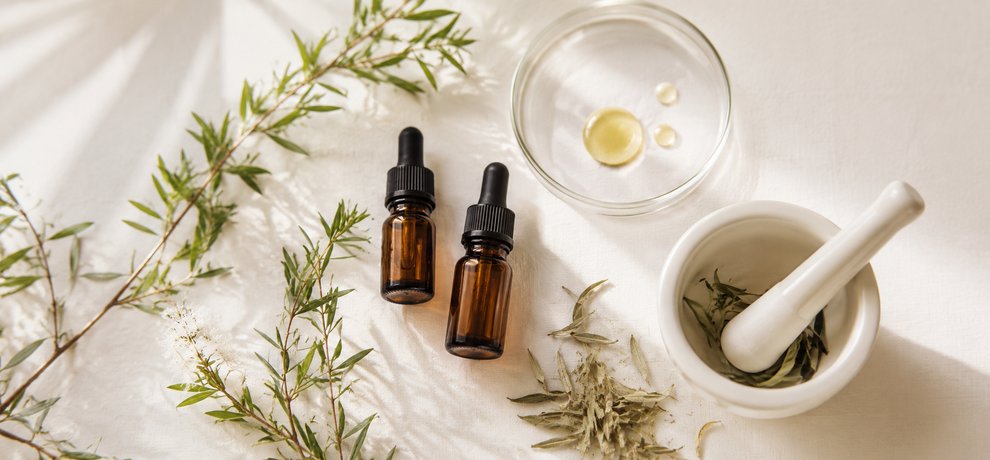
Among reliable natural solutions, Tea Tree essential oil stands out for its antiviral and healing properties. It supports the repair of weakened skin and cleanses the affected area. The Aromaderm lip gel, specially designed for these lesions, provides valuable help in stopping the outbreak, relieving discomfort and speeding up the healing of a sore or lesion on the lips. If you wish to explore the approach further, our page dedicated to treating a cold sore offers several complementary solutions.
We also encourage you to adopt simple habits: getting enough sleep, prioritising restorative rest, regularly hydrating your lips and avoiding touching the inflamed area. These habits, repeated consistently, reduce recurrences and limit the impact on your daily life. In the case of frequent outbreaks or if the infection affects a sensitive area, consulting a doctor allows you to confirm the type of infection, adapt the approach and rule out other forms of skin conditions.
FAQ: everything you need to know about herpes
How long does a herpes outbreak last?
The duration of an outbreak depends on several factors, including your overall health, the type of HSV involved and the affected area. As a general rule, an episode of oral herpes follows a relatively short cycle. The first tingling announces the arrival of blisters, which then turn into crusts before disappearing. This process usually takes between five and ten days. In some cases, it may seem a little longer, especially if the skin is weakened or if the outbreak is accompanied by existing fatigue.
In the case of genital herpes, the first outbreak is often more pronounced. A primary HSV infection can be accompanied by local pain, fever and more persistent discomfort. It is not uncommon for this first episode to last more than ten days, particularly when the intimate mucosa is highly inflamed. Recurrences, however, are generally shorter as the body gradually learns to recognise the virus and limit its activity.
There are also more specific forms, such as gingivostomatitis, a condition sometimes seen in young children during a primary HSV 1 infection. In these cases, the outbreak can seem prolonged as the blisters affect the mouth, gums and oral mucosa, creating significant discomfort before complete recovery.
Is herpes contagious?
Yes, herpes is a contagious infection, especially during outbreaks, but not exclusively. The virus, whether HSV 1 or HSV 2, can sometimes be transmitted even in the absence of visible lesions. This phenomenon, called asymptomatic shedding, explains why it circulates so widely in the population. Contagiousness is highest when blisters or crusts are present, as the virus is then on the surface of the skin or mucosa.
Following simple precautions, such as avoiding direct contact with affected areas, not sharing certain personal items and being attentive to the first signs of an outbreak, reduces the risks. During periods when stress, fatigue or hormonal changes weaken the body, it is particularly important to be vigilant, as HSV then finds favourable conditions to reactivate.
For people experiencing frequent outbreaks, screening may sometimes be offered in a specific medical context, particularly to confirm the type of HSV involved and adapt recommendations. This helps to better understand your own pattern of recurrences and to adopt the most appropriate measures to protect your health and that of those around you.
How is herpes transmitted?
The mode of transmission almost always relies on direct contact. This can be a kiss when HSV 1 is active on the lips, skin-to-skin contact during an outbreak, or intimate contact involving the mucosa when genital herpes is in an active phase. The virus takes advantage of any weakness in the skin or mucosa to establish itself, even if the skin appears healthy at first glance. Invisible micro-fissures are enough to allow HSV to pass from one person to another.
HSV 1 is most commonly associated with the mouth, but it can also be transmitted to the intimate area during oro-genital contact. Conversely, HSV 2, primarily located in the genital area, can exceptionally cause a cold sore if transmitted to the mouth. This is why each person may experience a different form of the infection depending on the nature of the contact and their skin sensitivity.
It is important to remember that transmission never indicates fault or negligence. Herpes is one of the most common viruses in the world and has been circulating for a very long time. Taking the time to understand how it works, recognising the moments when it is most active and adapting a few preventive measures allows you to better manage its impact on your daily life.


