

Rosacea is a complex and often puzzling condition that primarily affects the face, altering the way skin reacts to heat changes, emotions, environmental factors and even certain foods. It appears through diffuse redness, visible blood vessels, sensations of heat, and sometimes pustules or areas of dryness. For many people, this chronic condition weighs on daily life, self-confidence and overall skin comfort. Understanding the mechanisms involved, recognising the signs and building an adapted routine can, however, help soothe flare-ups and support calmer skin over time.
What is facial rosacea?
Rosacea is a chronic inflammatory condition centred on the most exposed part of the body: the face. Depending on its form, it progresses through flare-ups of varying intensity, interspersed with periods of calm that may last weeks or only a few days. It mainly affects the cheeks, nose, forehead and chin, but can also reach the eyes in the case of ocular rosacea, a variant that specifically involves the eye area.
This condition is characterised by an excessive and uncontrolled reaction of the small blood vessels combined with cutaneous hypersensitivity. Temperature changes, sun exposure, stress, certain foods and the use of irritating products all act as triggers capable of worsening inflammation.
Although diagnosis always requires a dermatologist's assessment, many patients recognise the typical signs of rosacea: persistent redness, heat sensations, sudden flushing, papules, pustules, dry or irritated patches. In more advanced cases, consequences may include a gradual thickening of the skin on the nose, known as rhinophyma, which changes the appearance of that part of the face and can have a more significant aesthetic impact.
This multifactorial condition therefore requires careful management, as its consequences often extend beyond simple skin discomfort: irritation, reduced quality of life, heightened sensitivity and lasting disruption of the skin barrier.
The different types of rosacea
Rosacea takes several forms, varying in severity from one person to another. The most commonly observed include:
- Erythematotelangiectatic rosacea, dominated by redness and telangiectasia (small visible blood vessels).
- Papulopustular rosacea, sometimes confused with acne, marked by papules, pustules and more diffuse inflammation.
- Ocular rosacea, which affects the eyelids and eyes, causing dryness, a gritty sensation and episodes of irritation.
- More severe forms, rare but characterised by skin thickening, particularly on the nose (rhinophyma).
Each form requires specific attention because the signs, the presence of lesions and the associated sensations differ.
Differences between rosacea and couperose
Confusion remains common because facial rosacea and couperose share visible characteristics, particularly redness and dilated blood vessels. Many women, and men too, wonder how to tell these two conditions apart, since the signs look so similar. Couperose, however, corresponds solely to permanent dilation of small vessels, without inflammatory flare-ups, papules or pustules. It sometimes represents one stage among others in the progression of rosacea, but it can also exist independently without any link to a form of acne rosacea.
Rosacea is a broader inflammatory condition, well known to dermatologists, that involves cutaneous immunity, vascular reactivity, skin sensitivity and sometimes internal factors still under investigation. Several causes of rosacea remain debated, although a number of solid leads are recognised: genetic predisposition, vascular dysregulation, micro-inflammation, stress and imbalances in the skin microbiome. In advanced forms, skin thickening may occur, particularly around the nose, further distinguishing this condition from other issues such as classic acne.
Demodex folliculorum is also a major research subject. This tiny parasite, naturally present on everyone's skin, is invisible to the naked eye. Belonging to the mite family, it lives primarily inside hair follicles, particularly on the face: the sides of the nose, chin, forehead, oilier areas, eyebrows and eyelashes. Some studies suggest that an abnormal increase in this parasite may be involved in acne rosacea, particularly in certain women, but its exact role continues to be explored.
Rosacea symptoms: how to help prevent flare-ups
Rosacea symptoms vary from person to person. They generally include persistent redness, heat sensations, erythema of varying extent, pustules, papules, sometimes visible dryness, tightness, heightened sensitivity and small visible veins. Some people also report hot flushes, especially when the skin reacts to a temperature change or a strong emotion.
Prevention rests on several pillars. It is important to limit sudden heat changes, protect the skin from the sun, avoid irritating products and favour a gentle skincare routine. Paying attention to stress, emotions and diet can also reduce the frequency of flare-ups. Very hot drinks, alcohol, certain spices and certain dietary patterns can influence facial reactivity.
Causes of facial redness linked to rosacea
The causes of rosacea most often result from a combination of factors. Genetics play a recognised role: many people report a family history. Environmental factors also come into play, including sun exposure, heat fluctuations, pollution and dry atmospheres. Emotions and stress contribute to stimulating blood vessels and triggering flushes, intensifying symptoms.
Diet also influences the skin: certain foods and drinks promote redness, such as alcohol, very spicy dishes, hot beverages and certain histamine-rich foods. The skin microbiome is being closely studied, and the increased presence of demodex folliculorum appears, in some patients, to worsen inflammation. The immune system also interacts with disease mechanisms, explaining the chronic dimension of rosacea.
How to soothe facial rosacea
Management relies on a comprehensive approach that combines gentle care, a clear understanding of triggers and sometimes a programme prescribed by a dermatologist according to the stage of the condition. A suitable, non-aggressive daily cleanse is essential, along with regular hydration for skin that tends to lose comfort. Products should soothe, strengthen the skin barrier and limit inflammatory reactions.
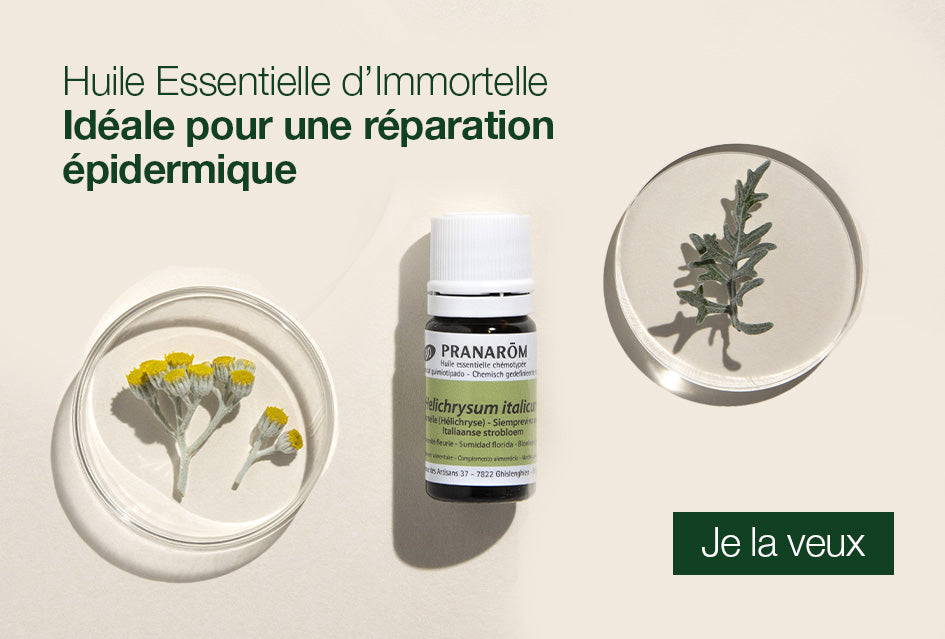
Certain Essential Oils, suited to sensitive skin when properly diluted, can also help soothe redness. Solutions such as an Essential Oil with anti-inflammatory properties may prove useful in certain routines. To go further in choosing the right care, a specialised selection is available on the page dedicated to Essential Oils for the skin. Hydrosols, particularly Lavender and Immortelle, also help to calm reactive skin.
Discover all our hydrosols for the skin.
Recipe: gentle cleansing and decongesting gel
To support sensitive skin, a homemade cleansing gel can be prepared with natural active ingredients. Simply add 30 drops of Patchouli or Immortelle Essential Oil to 250 ml of fragrance-free neutral cleansing gel. These Essential Oils are recognised for their soothing and decongesting properties, ideal for easing heat sensations and the reactivity of small blood vessels. Before applying a Vegetable Oil or cream, using an Immortelle or Lavender hydrosol can complete the cleanse, tone the skin and prepare it for further care.
Our expert tips for looking after your skin
A consistent, simple and regular routine often makes a real difference. It is recommended to cleanse the face morning and evening with a gentle product, without rubbing and avoiding aggressive surfactants. Applying a soothing hydrosol after cleansing helps reduce redness and improve the overall feeling of comfort. Hydration should then be adapted, favouring fragrance-free formulas. Sun protection remains an essential step, since UV exposure and heat frequently worsen erythema.
Taking emotional factors into account is vital: significant stress can promote flare-ups and accentuate signs. Particular attention to diet, sleep quality and temperature changes helps stabilise the skin. It is also advisable to observe personal triggers in order to adapt daily habits. When medical support is needed, particularly in the case of significant papules or pustules, the dermatologist adjusts solutions according to the form of the condition and its stage of progression.
Rosacea remains an essential topic when it comes to understanding the real needs of the skin and the repercussions of this condition on daily life. Although it is neither a form of acne nor a direct cause of blackheads, rosacea can be accompanied by inflammatory spots that lastingly disrupt the skin's balance. The impact is often visible and felt, affecting both the skin's surface and inner comfort, with a significant effect on emotional wellbeing and skin health. Learning to recognise the mechanisms of rosacea, to protect the skin and to adopt suitable habits helps reduce flare-ups and soothe weakened skin. A better understanding of rosacea thus opens the way to calmer, more respectful care for both skin and overall wellbeing.


